
As Winline Technology continues to refine our charging solutions, we have seen how thermal management has become central to high-power applications. When we explore what makes liquid cooling the ultimate solution for high-power density charging, it becomes clear that a well-engineered liquid cooling module is essential for stability, efficiency, and long-term reliability. By integrating this approach into our charging architecture, we are able to support higher output levels while maintaining consistent thermal performance, especially in locations that face challenging environmental conditions.
Thermal Stability and the Role of Liquid Cooling
In our experience, the shift toward high-power density systems has placed new demands on chargers that operate continuously across wide voltage ranges. For this reason, we rely on technologies such as liquid cooled ultra-fast charging to maintain predictable system temperatures, even when the power load fluctuates. Unlike traditional air-cooled structures, a liquid cooling module allows heat to be transferred more directly and more evenly. This approach helps us reduce noise, control internal temperatures, and enhance durability for infrastructure operating in areas such as coastal zones, industrial plants, and compact residential installations. The same benefits apply when we design modules that must maintain stable output under full load for long periods.
Why Liquid Cooling Enables Higher Power Density
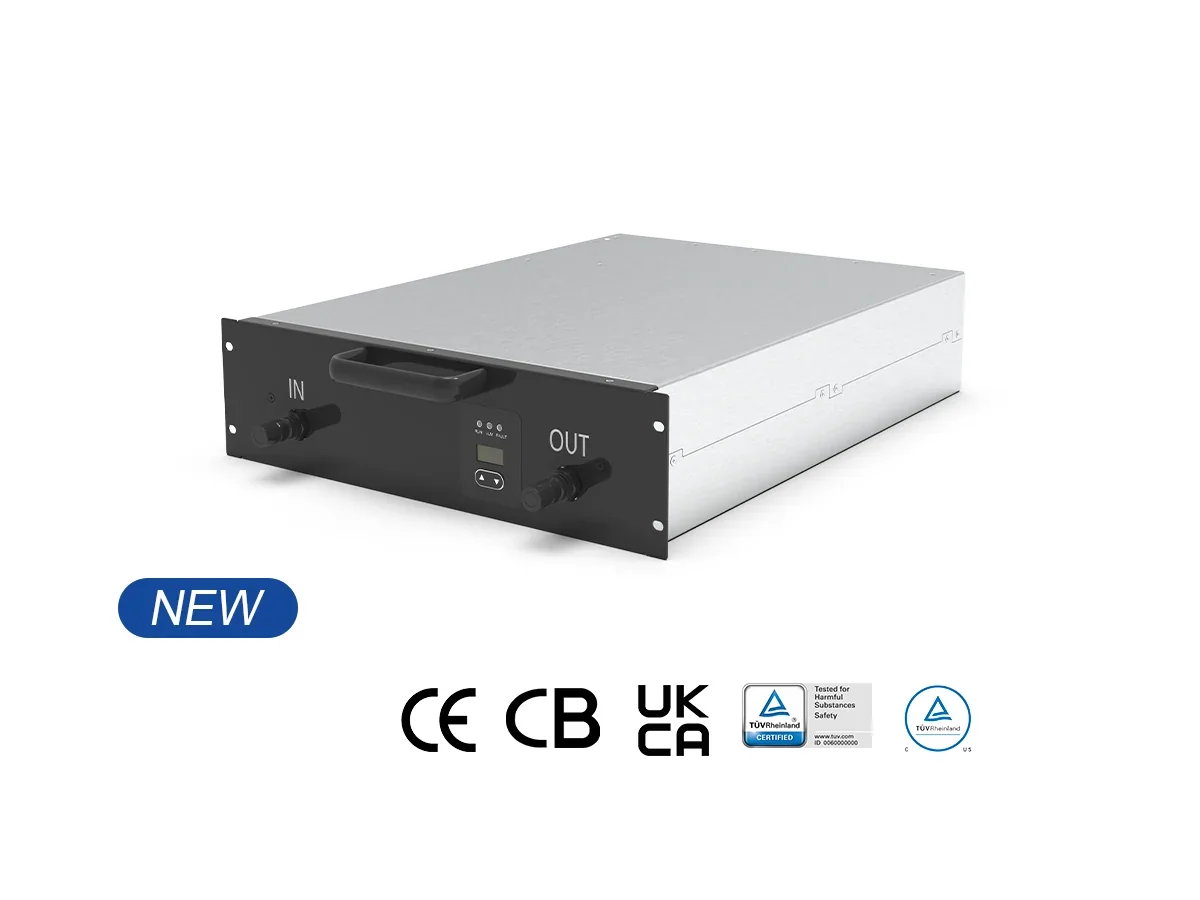
As we evaluate what truly makes liquid cooling the preferred method for high-power density charging, efficiency remains one of the most decisive factors. With liquid cooled ultra-fast charging, our systems manage heat more effectively, which allows the charging hardware to operate at higher density without compromising performance. For example, our LCR100040A-40kW 1000V liquid cooling module reflects this principle through a combination of high-frequency isolation, full liquid cooling technology, and a broad operating voltage range of 300–1000V. The module’s full-load efficiency exceeding 95.5% supports energy savings while ensuring stable output. In addition, its compact design achieves a power density of 41W/in³, helping reduce the physical footprint required for a DC charging station. The separation of water and electrical pathways strengthens safety, and the quick-plug inlet and outlet connections allow straightforward module replacement without leakage.
System-Level Advantages for Modern Charging Infrastructure
When we integrate liquid cooling across our systems, the benefits extend beyond temperature regulation. Fully digital control with dual DSP architecture helps us manage operational parameters with precision, from voltage regulation to fault response. This is particularly important in environments where ultra-fast charging performance must remain stable across frequent cycles. The design flexibility supported by liquid cooled ultra-fast charging also helps us adapt to multiple vehicle voltage platforms while maintaining system uniformity. As high-power infrastructure evolves, these design considerations allow us to support both current and future charging needs without structural changes to the charging station.
Conclusion
By applying liquid cooling as the foundation of our high-power density strategy, we ensure that our modules and charging systems operate efficiently, reliably, and consistently across diverse environments. Through solutions such as the LCR100040A-40kW liquid cooling module, we continue to build charging architecture that meets the growing demand for stable high-power output while maintaining safety and operational flexibility.